

Your videos look good, but feeds and search still skip past. The fastest fix is the text people can read. Captions carry the keywords that help you get found and the pacing that keeps thumbs from swiping away.
Here is a simple playbook for video SEO captions that pull their weight: plan the language viewers actually use, style for readability, time words to the beat, and publish in the right format for each platform. You will move faster with AI, but the wins come from clean edits and consistent choices.
Make search match your speech and captions
Start with the phrases your audience types and says. List the primary term and a couple of natural variants, then work them into the actual audio and on-screen text. Put the main term in the first 5 to 10 seconds so your title, speech, and captions align. If your viewers search for an ai subtitles generator, say it out loud early and include it once in your captions. Do not stuff it.
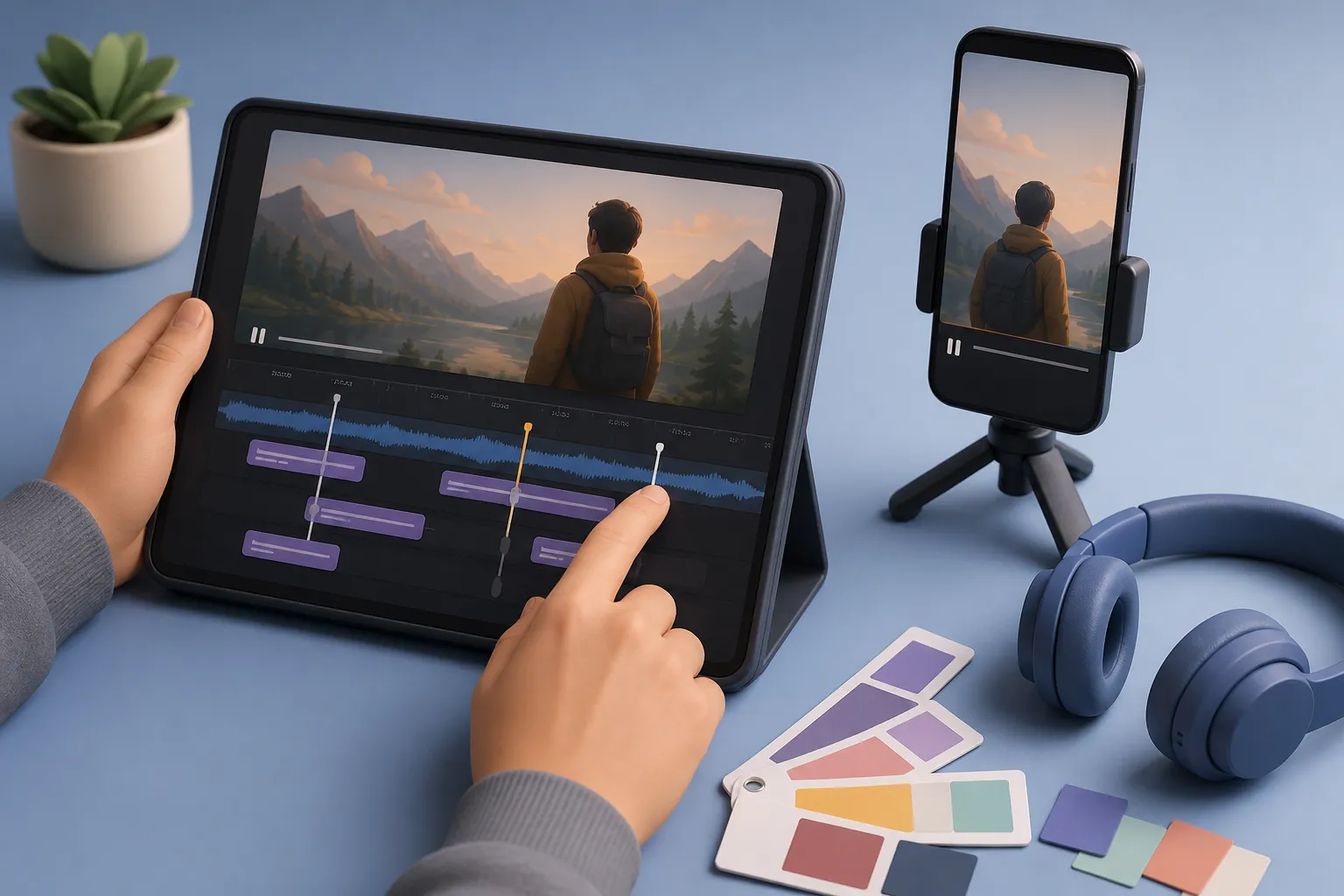
Accuracy is non-negotiable. Names, acronyms, product terms, and numbers should be exact every time. Generate a first pass with AI Subtitles so you are not typing from scratch, then clean it up. Use Timeline Editing to tighten timing and nudge words so they land on the syllable viewers expect. Word-level highlighting helps you spot mishears and long pauses you should trim.
Translate where the audience is. Check where your views and customers come from, then prioritize two or three languages. Use Translate Subtitles to create localized tracks, keep product terms consistent, and do a quick native read if you can, especially for slang and brand names. Extra languages help only when the viewers are there.
Style and timing that keep people watching
Readable beats fancy. Aim for two lines max, 32 to 42 characters per line, strong contrast, and a background box when footage gets busy. Keep your brand intact with consistent fonts and colors. Subtitle Style Customization makes it simple to add subtitles to video online that match your look. Pick from 30+ animated styles and lock in your palette and font weight so every episode feels like part of the same series.
Timing sells the line. Word-level highlighting and Karaoke Style Subtitles help viewers follow fast talk without rewatching the same moment. For short-form clips, karaoke style captions that light up each word as it is spoken improve comprehension and cut drop-off. Keep the animation snappy so the effect supports the message. If your piece is music-led, karaoke subtitles with precise timing make lyrics easy to follow.
Quick formatting tips that pay off
- Limit to two lines, center or low-mid placement, strong contrast.
- Speak and caption the primary keyword early to cement relevance.
- Use word-level highlights for fast speech. Avoid over-animated effects in long videos.
- Keep names, product terms, and numbers exact across languages.
- Avoid ALL CAPS and thin fonts. Punctuate like real sentences.
- If you have multiple speakers, add quick labels or color-coding.
Publish the right format for each platform
You have two good options: burn the captions into the video or upload caption files. Choose based on how and where people watch.
- Burned-in: Everyone sees the same styling. Ideal for TikTok, Reels, Shorts, and paid placements that need a consistent look across devices. Use Burned-In Subtitles to guarantee readability when viewers watch on mute.
- Caption files: Upload SRT or VTT so platforms can index the text and let viewers toggle it. Great for longer YouTube videos, webinars, and site embeds where searchable text helps discovery.
Either way, fit your captions to the frame. Vertical, square, horizontal each crops differently. Keep key lines clear of UI overlays, profile badges, and buttons. Use Change Aspect Ratio to reframe for TikTok, YouTube, Instagram, and X, then resize and reposition your captions so they sit in the safe zone on each export. A simple rule: keep text at least 10% in from every edge, then test on a phone before you post.
If you rely on auto captions for TikTok and YouTube, still proof your script and on-screen text so the machine has clean material to echo. You will avoid odd spellings that break search and confusion that costs watch time.
A fast workflow you can repeat every week
Shipping on a schedule beats posting once in a while. Here is a flow you can run without dragging your week:
- Rough cut your story.
- Generate AI Subtitles for a clean first draft.
- Edit timing on the Timeline with word-level highlighting so phrases land where they should.
- Apply Subtitle Style Customization for readable, on-brand captions. Lock a template so every episode is consistent.
- Translate Subtitles for the two or three languages that match your traffic.
- Pick platform sizes with Change Aspect Ratio, then reposition captions for each safe zone.
- Export with Burned-In Subtitles for feeds and separate caption files for search-friendly uploads.
SubtitlesFast also includes an AI Thumbnail Generator and the option to Add Music, so you can finish packaging in one place. Keep a checklist in your project template: keyword in first 10 seconds, names and numbers verified, captions tested on a phone, versions exported. If your videos live on product or blog pages, align titles and schema with your caption keywords. A partner like RedStudio can help match on-page SEO to the language people actually read in your videos.
As you post, check analytics weekly. Look for drop-off moments to adjust timing, test two caption styles for scrollers vs. long-form viewers, and track whether translated clips earn real watch time. Small edits compound.
Key takeaways
- Plan your keywords, then say them out loud so captions match search.
- Readable, on-brand styles and word-level timing keep people watching.
- Burn in for feeds, upload files for search. Size and place captions per platform.
- Use AI to draft, then edit. Translate only where you have real audience demand.
- Template your workflow so you can ship fast without cutting corners.
Get the text right, and you will earn more clicks, more seconds watched, and more plays from the people already looking for you.
FAQ
Do captions actually help video SEO?
Yes. Clear captions add indexable text that reinforces your title and description, which helps search and recommendations understand your topic and keeps viewers watching longer.
Should I burn in captions or upload an SRT file?
Burn in for short-form feeds and ads so everyone sees the same text. Upload a caption file for longer videos and embeds where searchable, toggleable text helps discovery and accessibility.
What makes captions readable on TikTok and YouTube?
Use two lines max, strong contrast, and a background box when footage is busy. Keep captions above UI elements, and size or reposition them for each platform’s safe zones.
Are karaoke-style captions good for retention?
Often, yes. Word-level highlighting guides the eye through fast speech and lyrics, which improves comprehension and reduces early drop-off when used with subtle, fast animations.
How should I translate captions for a global audience?
Prioritize languages where you already see demand, translate key terms consistently, and do a quick native check when possible to avoid awkward phrasing or brand name errors.